Brushong: The Natural Brush Script Font for Authentic Designs
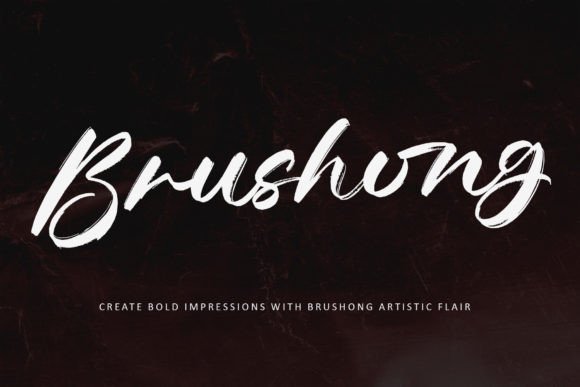
If you are looking to inject genuine energy and a raw, organic feel into your creative projects, Brushong stands out as a compelling choice. This natural brush script font is designed to exude authenticity through its dynamic strokes and textured appearance. Unlike rigid geometric typefaces or overly polished digital scripts, Brushong captures the essence of hand-painted calligraphy. It brings a bold vibe that works exceptionally well for logos, posters, packaging, and any project requiring a strong, stylish impression. However, simply downloading a font doesn't guarantee success. Many designers overlook the specific nuances of using brush scripts, leading to results that look messy rather than artistic.
Understanding the Power of Organic Texture
The primary reason creators gravitate toward Brushong is its ability to convey character and vigor. Its smooth flow and expressive glyphs mimic the unpredictable nature of real paint on paper. This organic texture adds a layer of depth that standard sans-serif or serif fonts often lack. When used correctly, it transforms a flat design into something tactile and engaging. For small business owners and entrepreneurs, this "raw" aesthetic can signal transparency and craftsmanship, building trust with consumers who value human touch over corporate sterility.
However, a common mistake involves assuming that a brush font can replace all other typography in a layout. While Brushong is powerful, it is not a universal solution. Using it for body text or long paragraphs can lead to readability issues. The very features that make it attractive—its variable stroke widths and flourishes—can become visual noise when overused. To avoid this, reserve Brushong for headlines, key phrases, or short captions where its personality can shine without overwhelming the viewer.
Pitfalls in Pairing and Hierarchy
One of the most frequent errors seen with fonts like Brushong is poor pairing. Designers often try to match it with another decorative script, creating a chaotic composition that fights for attention. Because Brushong has such a distinct voice, it requires a neutral partner to balance the design. A clean, simple sans-serif or a classic serif works best to ground the layout. If you pair it with another busy typeface, the message gets lost, and the audience struggles to distinguish between the brand name and the supporting information.
Another oversight is neglecting the spacing. Brush scripts naturally have varying gaps between letters due to their fluid nature. Beginners often tighten the tracking too much, causing the strokes to collide and become illegible. Conversely, spreading them out too wide can break the rhythm of the word. Before finalizing your design, zoom out and check if the words still read clearly from a distance. Proper kerning is essential to maintain the professional look that Brushong promises.
Evaluating Technical Compatibility and Usage
When considering Brushong for your workflow, technical details matter just as much as aesthetics. The font utilizes PUA (Private Use Area) encoding, which ensures easy access to all unique features and alternate glyphs. This is a significant advantage for professionals who need specific ligatures or stylistic variations without relying on complex OpenType features that some older software might not support. Yet, relying solely on PUA encoding can be risky if you plan to share files with clients or collaborators who use different operating systems or design tools.
A critical step before purchasing or downloading is verifying compatibility with your current software stack. While modern versions of Adobe Creative Cloud handle PUA fonts well, legacy applications or web-based editors might struggle to render the full range of characters correctly. If you intend to use Brushong on a website, ensure that the web font version supports the necessary formats (like WOFF2) to prevent fallback to default system fonts, which would ruin the intended effect. Always test your designs across multiple devices to confirm that the organic texture renders consistently.
Cost vs. Value Considerations
Many users make the mistake of choosing a free brush font simply because it looks similar to Brushong, only to discover licensing restrictions later. Free fonts often come with limitations that can jeopardize commercial projects, such as bans on merchandise sales or advertising use. Brushong is positioned as a premium tool designed for those who demand high quality and legal security. Investing in a legitimate license protects your brand from potential legal disputes and ensures you receive updates and customer support.
Furthermore, do not underestimate the time cost of editing a poorly chosen font. If a font lacks the necessary glyphs or has inconsistent stroke weights, you will spend hours manually adjusting paths in vector software. Brushong's expressive glyphs are pre-engineered to flow naturally, saving you valuable editing time. By choosing a font that respects the structure of language while offering artistic freedom, you streamline your production process and improve overall efficiency.
Maximizing Impact in Real-World Applications
To truly leverage the strengths of Brushong, consider how it fits into your specific industry. For marketers and bloggers, it serves as an excellent hook for social media graphics, email headers, and blog post titles. It cuts through the clutter of standard templates, drawing the eye immediately. In packaging design, the font's rugged charm can differentiate a product on a crowded shelf, suggesting artisanal quality or eco-friendly origins.
- Logos: Use Brushong for the main brand mark to establish a memorable identity, but keep the secondary text minimal and legible.
- Posters: Combine large, bold Brushong headlines with ample white space to let the dynamic strokes breathe.
- Packaging: Apply the font to labels where texture conveys the product's natural ingredients or handmade process.
Before making your final decision, take the time to review the full character set. Check for the presence of numbers, currency symbols, and punctuation marks that align with your needs. Some brush fonts omit standard punctuation or stylize numbers in ways that confuse data readers. Brushong aims to provide a complete toolkit, but verifying this upfront prevents awkward workarounds later.
Moving Forward with Confidence
Ultimately, the goal of using Brushong is to elevate your designs by infusing them with natural charm and vigorous expression. It is not about adding decoration for the sake of it, but about communicating a mood that resonates with your audience. By avoiding common pitfalls like poor pairing, ignoring technical specs, or underestimating licensing requirements, you can harness the full potential of this dynamic typeface.
Treat Brushong as a partner in your design process. Let its organic texture guide your layout decisions, and respect its unique voice by giving it the right context. Whether you are a seasoned professional or a hobbyist exploring new tools, understanding these nuances will help you create work that feels authentic, bold, and distinctly yours. With careful application, Brushong becomes more than just a font; it becomes a vital element of your brand's visual story.