Olive: The Stylish Script Font for Beautiful Projects
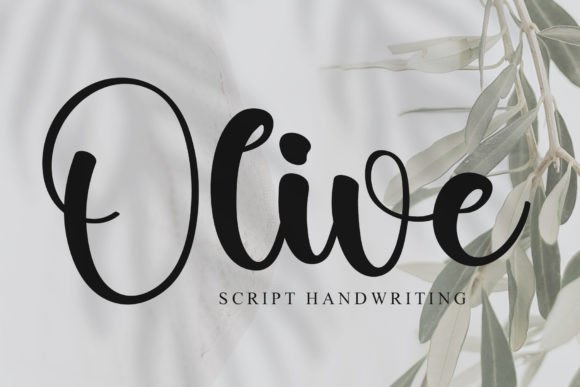
If you are looking to add a touch of elegance and personality to your work, Olive is a script typeface that stands out for its dainty yet sophisticated design. This font is not just another decorative element; it is a versatile tool designed to elevate the visual appeal of almost any creative endeavor. Whether you are a small business owner creating a brand identity or a hobbyist designing wedding invitations, Olive brings a "beautiful script taste" that feels both modern and timeless.
The core appeal of this font lies in its balance. It avoids the overly complex flourishes found in many traditional calligraphy fonts while maintaining the fluid, handwritten charm that users love. Its stylish nature makes it perfect for projects where readability must coexist with artistic flair. From logos to watermarks, this typeface adapts seamlessly to various contexts, ensuring your message remains clear while still catching the eye.
Understanding What Makes Olive Unique
At its heart, Olive is defined by its dainty character. Unlike bold, heavy scripts that demand attention through size and weight, Olive relies on delicate strokes and graceful curves. This subtlety allows it to integrate smoothly into designs without overwhelming other elements. It is particularly effective when paired with clean sans-serif body text, creating a harmonious contrast that guides the viewer's focus exactly where you want it.
One of the most significant technical advantages of using Olive is its encoding method. As a PUA encoded font, it offers access to a comprehensive library of glyphs and swashes directly within your software. PUA (Private Use Area) encoding means that special characters, alternate letterforms, and decorative swashes are mapped to specific keys on your keyboard. This eliminates the frustration of hunting through complex OpenType menus to find the perfect flourish. Instead, you can access these beautiful variations with ease, allowing for rapid experimentation and customization.
This accessibility is a game-changer for beginners who might feel intimidated by advanced typography tools. With Olive, the barrier to creating professional-looking script text is significantly lowered. You do not need to be an expert graphic designer to produce high-quality results; you simply need to know how to type and select the right characters.
Ideally Suited for Branding and Identity
For entrepreneurs and freelancers, establishing a strong visual identity is crucial. A logo needs to be memorable, scalable, and distinctive. Olive provides the perfect foundation for branding projects that aim to convey femininity, warmth, creativity, or luxury. Because of its refined structure, it works exceptionally well as a primary logotype for boutiques, cafes, beauty salons, and artisanal food brands.
When applying Olive to branding, consider the emotional response you wish to evoke. The font's gentle lines suggest approachability and care. Imagine a coffee shop label featuring the name in Olive script; the font immediately communicates a sense of handcrafted quality and personal attention. Similarly, for photography portfolios, using this font as a watermark adds a layer of professionalism without detracting from the image itself. It acts as a signature, authenticating the work while maintaining an aesthetic that complements the photograph.
Practical Applications Across Different Fields
The versatility of Olive extends far beyond commercial logos. Its ability to adapt to different mediums makes it a favorite among creators in diverse fields. Let's explore some realistic scenarios where this font shines.
- Special Events: Weddings and anniversaries often require a romantic and formal tone. Olive is ideal for saving-the-date cards, menu layouts, and seating charts. The swashes available through PUA encoding allow you to add extra elegance to names and dates, making the stationery feel truly bespoke.
- Labels and Packaging: For small businesses selling handmade goods, labels are their first point of contact with customers. Olive's legibility at smaller sizes ensures that product information is readable, while the script style adds a premium feel to the packaging. It transforms a simple jar of jam or a bottle of soap into a gift-worthy item.
- Digital Content and Blogging: Even in digital spaces, typography sets the mood. Bloggers and marketers can use Olive for featured headers, pull quotes, or social media graphics. It breaks up the monotony of standard text blocks and draws attention to key messages, increasing engagement rates.
- Educational Materials: Teachers and educators can use this font to make learning materials more engaging. Worksheets, certificates, and classroom decorations created with Olive can foster a positive and inviting atmosphere for students.
Why Professionals Choose This Script Type
While beginners appreciate the ease of use, professionals value the consistency and control that Olive offers. In a crowded market, having a unique typographic voice is essential. Because the font is PUA encoded, designers can maintain strict control over the spacing and alignment of their text. They can mix standard letters with elaborate swashes to create custom ligatures that look like they were drawn by hand, yet remain perfectly aligned.
Furthermore, the "lovely projects" mentioned in the font's description are not hyperbole. The design intent behind Olive is to support projects that require a human touch. In an era dominated by rigid, digital aesthetics, a font that mimics the organic flow of handwriting stands out. It reminds viewers that there is a person behind the brand or the project, fostering a deeper connection.
Important Considerations Before You Start
Before incorporating Olive into your next project, there are a few practical aspects to keep in mind to ensure the best results. First, always test the font at different sizes. While it is stylish, extremely small text can sometimes lose definition due to its delicate strokes. Ensure that the fine details remain crisp, especially if the design will be viewed on mobile devices or printed on small tags.
Secondly, consider the pairing strategy. Since Olive is a display script, it generally should not be used for long paragraphs of body text. Its strength lies in headlines, titles, and short phrases. To maintain readability, pair it with a neutral, highly legible font for supporting content. This combination creates a balanced hierarchy where the script grabs attention, and the secondary font delivers the information clearly.
Finally, verify the file compatibility with your software. Since Olive utilizes PUA encoding, it requires software that supports custom character mapping. Most modern design applications handle this well, but it is wise to check your specific version of word processors or layout tools before committing to a large-scale project. Once confirmed, the process becomes seamless, allowing you to unlock the full potential of the swashes and alternate glyphs.
In conclusion, Olive is more than just a pretty font; it is a strategic asset for anyone looking to enhance their visual communication. Whether you are crafting a logo, designing a wedding invitation, or adding a watermark to your photography, its dainty and stylish nature provides the perfect finishing touch. By understanding its capabilities and applying it thoughtfully, you can create projects that resonate with audiences and stand the test of time.