Valleyside: A Comprehensive Evaluation of the Script Typeface
In the landscape of digital and print design, typography serves as the silent narrator of a brand's story. Among the vast array of typefaces available to designers, Valleyside has emerged as a distinct option for those seeking a balance between classic elegance and modern fluidity. This article provides an objective evaluation of Valleyside, exploring its characteristics, practical applications, and the strategic considerations involved in selecting it for professional projects.
Understanding the Design Philosophy of Valleyside
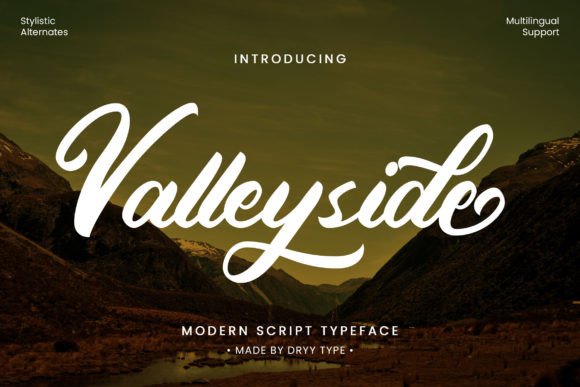
Valleyside is classified as a stylish script font designed to embody sophistication and grace. Unlike traditional cursive scripts that mimic handwritten notes with varying stroke widths and irregularities, Valleyside offers a more controlled aesthetic while retaining the organic feel of calligraphy. Its defining characteristic is the use of fluid, sweeping letterforms that connect naturally, creating a sense of movement across the page.
The visual identity of this typeface relies heavily on its consistent weight distribution and refined curves. The design exudes a timeless elegance, avoiding the chaotic energy often found in casual handwriting fonts. Instead, it presents a polished look that suggests refinement. The letterforms are crafted to add a touch of glamour without overwhelming the content they accompany. This specific approach makes Valleyside a unique entry in the market for decorative serif and script typefaces.
Strategic Applications and Use Cases
Selecting a typeface requires aligning the visual tone with the intended message. Valleyside is particularly well-suited for projects where conveying luxury and refinement is a primary goal. Because of its captivating aesthetic, it elevates designs that require a sense of high-end appeal.
- Luxury Branding: High-end fashion labels, jewelry designers, and premium beauty products often utilize Valleyside to communicate exclusivity. The font's inherent glamour aligns well with marketing materials that aim to position a product as a status symbol.
- Event Stationery: Weddings, galas, and formal corporate events frequently rely on script fonts to set a celebratory yet dignified mood. Valleyside's sweeping lines create an inviting atmosphere suitable for invitations and programs.
- Editorial Design: In magazine layouts or book covers, this font can serve as a powerful display type. It draws the eye immediately, making it effective for headlines that need to stand out against more neutral body text.
- Emotional Storytelling: For brands focusing on personal narratives, such as boutique hotels or artisanal food producers, Valleyside adds a human touch that feels curated rather than mass-produced.
Benefits of Incorporating Valleyside
The decision to adopt Valleyside is often driven by its ability to enhance visual hierarchy and emotional resonance. One of the primary benefits is its capacity to transform a standard layout into something memorable. The fluid nature of the letterforms guides the reader's eye smoothly through the text, reducing visual friction.
Furthermore, the versatility of Valleyside allows it to function effectively in both large-scale displays and smaller accent pieces. When paired correctly with a clean sans-serif or a structured serif, it creates a sophisticated contrast. This pairing strategy ensures that the design remains legible while maintaining the desired aesthetic flair. The font's timelessness also means that designs created today are less likely to appear dated in a few years, offering long-term value for branding assets.
Tradeoffs and Practical Considerations
While Valleyside offers significant aesthetic advantages, there are tradeoffs that designers must consider before implementation. The most critical factor is legibility. As with many script fonts, the connecting strokes and intricate details can reduce readability when used at small sizes or in low-resolution environments.
Readability constraints: Using Valleyside for body text is generally not recommended. The complexity of the letterforms can cause eye fatigue during extended reading sessions. It is best reserved for short phrases, headlines, or logos where impact is prioritized over information density.
Another consideration is the risk of perceived pretension. Because Valleyside is so strongly associated with luxury and glamour, using it in contexts that do not match this tone can result in a dissonant experience. For example, a tech startup focused on utility and efficiency might find that Valleyside undermines their message of straightforward functionality. The font carries an expectation of formality that may not suit all industries.
When Alternatives May Be More Suitable
Evaluating Valleyside involves comparing it against other options in the script category. If a project requires a more casual, approachable, or rugged aesthetic, Valleyside may be too polished. In such cases, alternatives with looser structures or more varied stroke widths might be preferable.
- Casual Handwriting Styles: For brands aiming to appear friendly, accessible, or youthful, a font that mimics natural handwriting with imperfections is often a better fit. These fonts lack the rigid structure of Valleyside, offering a warmer, more informal vibe.
- Modern Minimalist Scripts: Some contemporary designs favor scripts with reduced flourishes and simpler connections. If the goal is to maintain a sleek, modern look without the "glamour" associated with Valleyside, a minimalist script would provide a cleaner aesthetic.
- High-Utility Typography: For projects requiring extensive text processing or mobile-first optimization, a highly legible typeface is essential. In these scenarios, the decorative nature of Valleyside becomes a liability rather than an asset.
Decision-Making Insights for Designers
To determine whether Valleyside aligns with your specific goals, consider the following decision framework. First, define the core emotion you wish to evoke. If the answer is "sophistication," "elegance," or "luxury," Valleyside is a strong candidate. Second, assess the medium of delivery. Digital screens with varying resolutions may challenge the finer details of the font, necessitating careful testing.
It is also crucial to evaluate the surrounding design elements. Valleyside performs best when given ample white space. Cluttered backgrounds can obscure the fluid lines and diminish the font's impact. Additionally, ensure that the font supports the necessary character sets for your language requirements. While many modern script fonts include extensive ligatures and alternate characters, verifying compatibility is a necessary step to avoid rendering issues.
Ultimately, the choice to use Valleyside should be driven by the narrative needs of the project. It is a tool that adds a layer of refinement, but like any tool, its effectiveness depends on how skillfully it is applied. By weighing the benefits of its elegant aesthetic against the limitations regarding legibility and tone, designers can make informed decisions that enhance their overall design strategy.
For those looking to elevate a project with a sense of timeless style, Valleyside offers a compelling solution. However, it requires a thoughtful approach to integration. When used strategically, it transforms ordinary layouts into experiences that resonate with audiences seeking quality and distinction.