Bellatrone Font Evaluation
The landscape of digital typography is vast, offering thousands of typefaces that serve different functional and aesthetic purposes. Among these options, Bellatrone has emerged as a notable choice for designers seeking a specific visual tone. It is classified as a modern script font, characterized by its fluid strokes and elegant structure. This article provides an objective analysis of the font, examining its characteristics, ideal use cases, and potential limitations to assist professionals in making informed typographic decisions.
Understanding Bellatrone's Design Identity
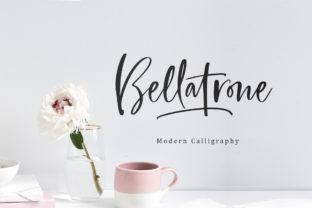
To evaluate any typeface effectively, one must first understand its fundamental design language. Bellatrone is not merely a collection of random cursive letters; it is a constructed script designed with a contemporary sensibility. Unlike traditional calligraphy fonts that often mimic the irregularities of hand-drawn ink on paper, Bellatrone offers a more polished and refined appearance. The letterforms typically feature consistent stroke widths with subtle variations that suggest movement without sacrificing readability.
The "modern" classification in this context implies that the font bridges the gap between classic elegance and current design trends. It avoids the heavy ornamentation found in Victorian-era scripts while retaining the sophistication necessary for high-end applications. This balance makes it distinct from purely decorative fonts or utilitarian handwriting styles. The visual weight of the characters allows them to stand out in headlines while remaining legible when used in smaller sizes, provided they are paired correctly.
Primary Applications and Use Cases
Designers select typefaces based on the message they wish to convey. Bellatrone is particularly well-suited for contexts where luxury, exclusivity, and personal touch are paramount. Its versatility allows it to function across various media, though certain applications highlight its strengths more than others.
- Branding and Logos: For businesses in the fashion, beauty, or lifestyle sectors, Bellatrone can serve as a powerful logo mark. The script style conveys a sense of bespoke craftsmanship and attention to detail. When integrated into a brand identity, it suggests a premium product or service.
- Wedding Invitations: One of the most common uses for this typeface is in wedding stationery. The romantic and flowing nature of the script complements the formal yet intimate atmosphere of weddings. It works exceptionally well for names, dates, and key phrases within an invitation suite.
- Editorial and Quotes: In magazine layouts or social media graphics, Bellatrone is effective for pull quotes or handwritten-style captions. It adds a human element to digital content, breaking up blocks of sans-serif or serif body text.
- Fashion Design: Apparel tags, lookbooks, and promotional materials for clothing lines often utilize script fonts to evoke a sense of style and trendiness.
Evaluating Benefits and Tradeoffs
While Bellatrone offers significant aesthetic advantages, it is essential to weigh these against practical considerations. No single font is a universal solution, and understanding the tradeoffs is crucial for successful implementation.
The Benefit of Aesthetic Versatility
The primary benefit of Bellatrone is its ability to elevate a design instantly. By introducing a script element, a designer can create contrast and hierarchy. When paired with clean, geometric sans-serif fonts, the script acts as a focal point, drawing the viewer's eye to critical information. This duality allows for dynamic compositions that feel both structured and organic.
Considerations for Readability and Legibility
The most significant tradeoff involves readability. Script fonts inherently require more cognitive processing time than block letters. While Bellatrone is designed to be legible, complex ligatures or highly stylized flourishes can hinder quick reading. Therefore, it is generally unsuitable for body copy, long paragraphs, or technical documentation. Users should expect to use this font for short bursts of text rather than extended reading material.
Technical Compatibility
Another consideration is the technical implementation of the font file. Modern web technologies have improved support for custom fonts, but older systems or specific email clients may not render script fonts correctly. If the design relies heavily on the specific ligatures or swashes of Bellatrone, there is a risk that the intended visual effect will be lost on devices that substitute a fallback font. Designers must test their work across multiple platforms to ensure consistency.
Situations Where Alternatives May Be Preferable
Despite its strengths, Bellatrone is not the optimal choice for every project. Understanding when to look elsewhere is just as important as knowing when to use it.
If the goal is maximum clarity and speed of reading, such as in user interface (UI) design or mobile app navigation, a sans-serif font is almost always superior. Scripts can reduce accessibility for users with dyslexia or those scanning content quickly. In these scenarios, a neutral typeface ensures the content remains the focus rather than the medium.
Furthermore, if the desired aesthetic is rugged, industrial, or minimalist, Bellatrone would likely clash with the overall brand voice. A font like this leans towards softness and refinement. Projects requiring a bold, authoritative, or starkly modern look might find better success with geometric sans-serifs or slab serifs. Additionally, for projects requiring a strictly historical or authentic medieval feel, a font specifically modeled after old manuscripts would be a more accurate choice than a modern interpretation.
Practical Decision-Making Insights
Selecting a font is a strategic decision that impacts the user experience and brand perception. To determine if Bellatrone aligns with your specific goals, consider the following framework:
- Define the Tone: Does your project require a feeling of elegance and personalization? If yes, Bellatrone is a strong candidate. If the tone needs to be corporate, serious, or playful in a cartoonish way, this font may not fit.
- Analyze the Content Length: Are you using the font for headlines, logos, or short accents? If the answer is yes, proceed. If you need to fill pages of text, choose a different typeface for the body and use Bellatrone sparingly for emphasis.
- Check the Hierarchy: Will the script compete with other design elements? Ensure that the background and surrounding graphics do not clutter the delicate lines of the font. Good design relies on negative space to let the typography breathe.
- Test Accessibility: Before finalizing a design, run a quick check to see if the font remains readable at small sizes or when viewed by individuals with visual impairments. Contrast ratios and stroke thickness play a vital role here.
Conclusion
Bellatrone represents a sophisticated option in the realm of modern script fonts. Its design philosophy balances the charm of handwriting with the precision required for professional design work. For brands and individuals looking to add a layer of luxury and personality to their visual communication, it serves as a valuable asset. However, its application requires discipline. It is a tool best used for impact rather than utility.
By carefully evaluating the project requirements against the font's inherent strengths and limitations, designers can make confident choices. Whether used for a wedding invitation suite or a high-fashion logo, Bellatrone can deliver the desired aesthetic result when applied with intention and respect for its typographic constraints.