Singles Font: A Comprehensive Evaluation for Elegant Design Projects
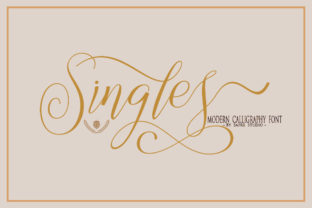
In the expansive landscape of digital typography, selecting the right typeface is often a decisive factor in conveying a brand's personality and aesthetic value. Among the various options available to designers, Singles has emerged as a distinct choice for projects requiring a refined and sophisticated appearance. This script font is characterized by its lovely script style, which incorporates basic, fine lines to create a classic and elegant touch. For professionals evaluating typography solutions, understanding the specific attributes of Singles is essential before integrating it into a workflow.
Understanding the Characteristics of Singles
Singles is not merely a decorative element; it is a functional tool designed to enhance visual communication through a specific stylistic lens. The font belongs to the category of script typefaces, yet it distinguishes itself through a restrained approach. Unlike many cursive fonts that feature heavy swashes or exaggerated flourishes, Singles relies on basic, fine lines. This minimalism allows the text to maintain readability while still offering a sense of movement and grace.
The design philosophy behind Singles focuses on simplicity and luxury. By avoiding clutter, the font ensures that the message remains the focal point rather than the decoration surrounding it. The "lovely" quality mentioned in its description stems from this balance between legibility and artistic flair. It creates an impression of class without demanding excessive attention, making it suitable for contexts where subtlety is preferred over boldness.
Why Designers Choose Script Fonts
To evaluate whether Singles fits a specific project, one must first understand the broader utility of script fonts in design. Script typefaces are historically associated with hand-lettering, invitations, and personal correspondence. In modern digital design, they serve to humanize a brand, adding a layer of warmth and authenticity that geometric sans-serifs or traditional serifs might lack. When a designer selects a script like Singles, they are typically aiming to evoke feelings of exclusivity, romance, or high-end craftsmanship.
The decision to use a script font involves a tradeoff between aesthetic appeal and functional constraints. While script fonts can elevate a design significantly, they can also hinder readability if used incorrectly. Singles addresses some of these common pitfalls by maintaining consistent stroke widths and clear letterforms, which helps mitigate the risk of the text becoming illegible at smaller sizes.
Benefits of Incorporating Singles into Your Workflow
When considering the integration of Singles into a design system, several practical benefits become apparent. The primary advantage lies in its ability to convey a luxurious touch with minimal effort. Because the font carries inherent elegance, designers do not need to rely heavily on other graphical elements to achieve a premium look. This efficiency can streamline the creative process, allowing the typography to do the heavy lifting in establishing the visual hierarchy.
- Versatility in Application: Despite its elegant nature, Singles is described as easy and simple to use. This usability factor means that even designers with limited experience in handling complex script fonts can achieve professional results quickly.
- Classic Appeal: The timeless nature of the design ensures that materials featuring Singles are less likely to appear dated compared to trends that rely on fleeting stylistic quirks.
- High Contrast Potential: The fine lines of the font work exceptionally well against solid backgrounds or within minimalist layouts, creating a striking contrast that draws the eye naturally.
Furthermore, the font's structure supports various design scenarios. Whether used for headlines, logos, or short body text excerpts, the fine lines provide a delicate texture that adds depth to the composition without overwhelming the viewer.
Considerations and Potential Tradeoffs
While Singles offers significant advantages, a balanced evaluation requires acknowledging its limitations. The most critical consideration is context. A font that excels in a wedding invitation may fail in a technical manual or a financial report. The fine lines of Singles can disappear when rendered on low-resolution screens or when printed on poor-quality paper. Designers must ensure that the output medium supports the level of detail the font provides.
Another potential drawback is the limitation on length. Script fonts, including Singles, are generally best suited for short phrases, titles, or accent text. Using them for large blocks of body copy can reduce reading speed and cause user fatigue. The human eye processes block text more efficiently when using typefaces with higher x-heights and simpler structures. Therefore, relying on Singles for extensive content is rarely a recommended strategy.
Additionally, the specific "classic" aesthetic of Singles may not align with brands seeking a futuristic, industrial, or ultra-modern identity. If a company's core values revolve around innovation and disruption, a font rooted in traditional elegance might send mixed signals to the audience.
Situations Where Singles Is a Strong Fit
Based on its characteristics, Singles finds its strongest application in industries and scenarios where elegance and tradition are paramount. It is particularly effective in the following areas:
- Luxury Branding: High-end fashion, jewelry, and hospitality sectors often utilize Singles to communicate exclusivity and quality.
- Event Stationery: Weddings, galas, and formal parties benefit from the romantic and refined feel of the font.
- Creative Portfolios: Photographers and artists may use Singles to add a personal, curated touch to their headers and captions.
- Gourmet Packaging: Food and beverage products that position themselves as artisanal or premium can leverage the font's sophisticated lines.
In these contexts, the font acts as a visual shorthand for quality. It tells the consumer immediately that the product or service is crafted with care and attention to detail.
When Alternatives May Be Worth Considering
Despite its strengths, Singles is not a universal solution. There are situations where alternative typefaces would serve the project better. If the goal is maximum legibility across all devices, a clean sans-serif or a highly readable serif font should be prioritized. For tech startups, educational platforms, or news outlets, the formality of a script font might create unnecessary distance between the content and the reader.
Designers should also consider alternatives if the project requires a unique, non-traditional voice. If the brand needs to stand out through edginess or minimalism, a font with more geometric properties or a distinct character set might be more appropriate. Additionally, if the design requires extensive multilingual support, it is crucial to verify that the chosen version of Singles includes the necessary language glyphs, as some specialized script fonts have limited character sets.
Practical Decision-Making Insights
Ultimately, determining whether Singles aligns with your goals requires a strategic assessment of the project's objectives. Before committing to the font, ask the following questions: Does the target audience expect a luxurious or casual tone? Will the font be viewed primarily on mobile devices where fine lines might be lost? How much text will actually be displayed?
A practical approach is to create mockups using Singles alongside standard body fonts to test the visual harmony. This comparison helps identify if the script complements the rest of the design or if it clashes with the overall layout. Remember that the best typography choices are those that remain invisible to the conscious mind, working seamlessly to facilitate communication rather than distract from it.
By weighing the benefits of its classic elegance against the constraints of its fine-line structure, designers can make informed decisions. Singles remains a valuable asset for those seeking to inject a touch of sophistication into their work, provided it is applied with intention and awareness of its limitations.