Elevating Your Designs with Stepila: The Ultimate Guide to Stylish Handwritten Typography
In the fast-paced world of digital design, where pixel-perfect grids and rigid sans-serif fonts often dominate the landscape, there remains a profound desire for human connection. We crave designs that feel personal, warm, and authentic. This is where typography transcends its functional role as mere text to become an emotional bridge between the creator and the viewer. Among the vast library of typefaces available today, Stepila has emerged as a standout choice for designers seeking to inject a touch of sophistication and grace into their projects.
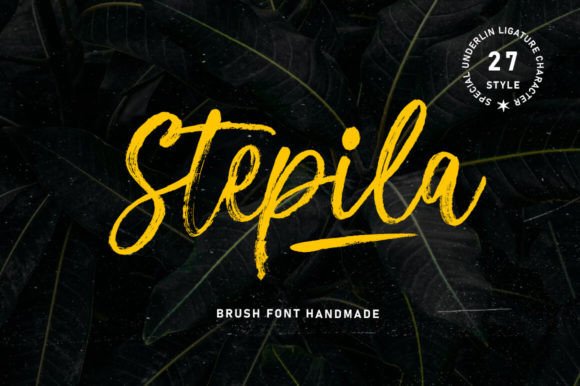
Stepila is not just another script font; it is a stylish and incredibly elegant script font designed to mimic the fluidity of high-end calligraphy while maintaining the readability required for modern applications. Whether you are designing a wedding invitation suite, crafting a personalized thank you card, or rebranding a boutique business, understanding how to leverage a font like Stepila can transform a standard layout into a memorable visual experience.
What Makes Stepila Unique?
To understand the value of Stepila, one must first appreciate the nuances of script typography. Unlike block letters that stand in isolation, script fonts are defined by the flow and connection between characters. They simulate the natural movement of a pen on paper. However, many script fonts struggle with legibility or appear too chaotic for professional use.
Stepila solves these common problems through its refined architecture. It features:
- Fluid Ligatures: The connections between letters are seamless, creating a continuous, harmonious line that guides the eye naturally across the page.
- Elegant Swashes: Subtle flourishes add personality without overwhelming the text, providing that "handwritten" look that feels curated rather than casual.
- Consistent Weight: Despite its delicate appearance, Stepila maintains a weight that ensures it remains visible even at smaller sizes or on lower-resolution screens.
- Versatile Character Set: From uppercase headers to lowercase body text, the font offers a complete range of glyphs that allow for creative freedom.
This balance of artistry and utility is what makes Stepila a powerful tool for creatives. It does not force the reader to decipher messy handwriting; instead, it invites them to appreciate the beauty of the form.
The Power of Handwritten Touches in Modern Design
Why do we gravitate toward handwritten styles in an era dominated by digital precision? The answer lies in psychology. In a world saturated with automated content, algorithmic feeds, and mass-produced graphics, a handwritten element stands out as a signal of human effort. It suggests care, attention to detail, and a personal investment in the message.
When you apply Stepila to a project, you are essentially borrowing the authority and warmth of a human hand. This is particularly relevant in industries where trust and intimacy are paramount. For instance, a law firm might use a clean serif font for contracts but choose a script like Stepila for a client appreciation letter to soften the tone. Similarly, a tech startup might use bold geometric fonts for their logo but incorporate Stepila in their blog posts to make technical explanations feel more accessible and friendly.
Furthermore, Stepila fits seamlessly into the trend of "brutalism meets elegance." Designers often pair stark, minimalist layouts with a single, striking script headline. This contrast creates visual tension that captures attention immediately. The boldness of the surrounding elements grounds the elegance of the script, ensuring the design feels contemporary rather than dated.
Practical Applications Across Industries
The versatility of Stepila means it is not limited to a single niche. Its ability to convey elegance makes it suitable for a wide array of contexts. Let us explore how this font can be utilized effectively in various scenarios.
Wedding Invitations and Stationery
No application highlights the beauty of a script font quite like wedding stationery. A wedding invitation is the first impression guests receive of the couple's special day. Using Stepila here allows couples to express romance and formality simultaneously. The flowing lines of the font can mimic the curves of floral arrangements or the softness of fabric textures often found in wedding themes.
Imagine a matte black cardstock with gold foil text. When Stepila is used for the names of the couple and the date, the result is a luxurious tactile experience that elevates the perceived value of the event. It transforms a simple piece of paper into a keepsake that guests will want to preserve.
Branding and Logos
For businesses looking to establish a premium identity, Stepila offers a distinct advantage. Fashion boutiques, artisanal coffee shops, luxury skincare brands, and high-end salons often rely on script logos to communicate exclusivity. A logo featuring Stepila suggests that the brand values craftsmanship and individuality.
However, caution is advised. While Stepila is excellent for wordmarks (text-based logos), it should be paired carefully with supporting graphic elements. The goal is to ensure the brand name remains legible at small scales, such as on social media avatars or mobile app icons. In these cases, using only the initials or a simplified version of the script may be necessary.
Quotes and Social Media Content
In the realm of digital marketing, visual content is king. Platforms like Instagram and Pinterest are driven by aesthetics. Creating quote graphics or inspirational cards using Stepila can significantly increase engagement rates. The font's readability ensures the message is understood quickly, while its style adds an artistic flair that encourages users to share the image.
Consider a motivational quote about creativity. Setting the text in Stepila against a textured background can evoke a sense of inspiration and artistic freedom, resonating deeply with audiences who value self-expression.
Common Misconceptions About Script Fonts
Despite its popularity, there are several myths surrounding the use of script fonts like Stepila that can hinder designers from using them effectively.
Misconception 1: Script fonts are hard to read.
While some highly decorative scripts are indeed difficult to decipher, Stepila was designed with clarity in mind. The key to readability is context. Do not use it for long paragraphs of body text. Instead, reserve it for headlines, captions, and short phrases. When used correctly, the eye follows the flow of the letters effortlessly.
Misconception 2: It looks outdated or cheesy.
The fear of looking "cheesy" often stems from overusing low-quality, default script fonts that have been associated with amateur designs for decades. Stepila, however, represents a modern interpretation of calligraphy. It avoids the excessive ornamentation of Victorian-era fonts while retaining the charm of traditional handwriting. By pairing it with modern color palettes and clean layouts, designers can achieve a look that is timeless yet current.
Misconception 3: You need to be a calligrapher to use it.
One of the greatest advantages of digital fonts is accessibility. You do not need years of training in brush lettering to utilize Stepila. With a few clicks in your design software, you can apply the font and instantly achieve a professional aesthetic. That said, learning basic principles of hierarchy and spacing will help you get the most out of it.
Tips for Maximizing Stepila in Your Projects
To truly harness the power of this elegant typeface, consider the following best practices:
- Pair Wisely: Stepila shines when contrasted. Pair it with a clean, neutral sans-serif font for secondary information. For example, use Stepila for the main title and a simple Helvetica or Roboto for the address details on an invitation.
- Watch the Spacing: Script fonts require generous tracking (letter-spacing) to breathe. Tight spacing can cause the ligatures to blur together, making the text illegible. Give the letters room to move.
- Play with Color: Because Stepila is so detailed, avoid placing it on busy or patterned backgrounds. Solid colors or subtle gradients work best to let the font's structure take center stage.
- Use Case Sensitivity: Many script fonts, including Stepila, feature alternate characters for uppercase and lowercase. Experiment with all-caps settings for emphasis, but be aware that they may lose some of the fluidity of the standard lowercase set.
Conclusion: The Enduring Appeal of Elegant Typography
In conclusion, Stepila represents more than just a collection of characters; it is a vehicle for storytelling. It bridges the gap between the digital and the analog, bringing the warmth of a handwritten note into the screen age. Whether you are inviting loved ones to a life-changing celebration, thanking a loyal customer, or simply expressing a thought that needs to be seen, Stepila provides the perfect vessel for your message.
As we continue to navigate an increasingly automated future, the demand for genuine human expression will only grow. By integrating a font like Stepila into your design toolkit, you ensure that your work retains a soulful quality that resonates with people on a deeper level. So, pick up your digital pen, open your design software, and let the elegance of Stepila guide your next creative endeavor.
Remember, great design is not just about following rules; it is about knowing when to break them to create something beautiful. Stepila gives you the permission to write your own story in ink, pixels, and emotion.