Evaluating Tiny Pinky for Handwritten Design Projects
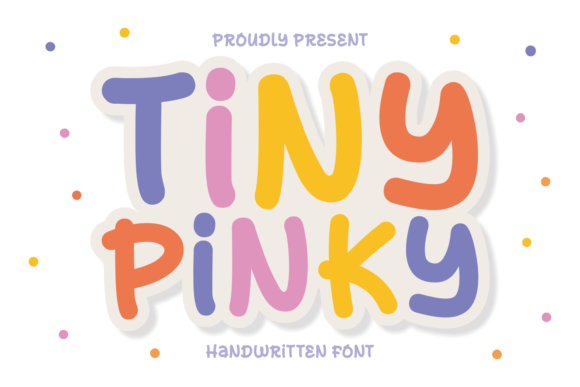
In the landscape of digital typography, selecting the right typeface is often a balancing act between aesthetic appeal and functional readability. Tiny Pinky has emerged as a distinct option for designers seeking a specific emotional resonance in their work. It is a cute and playful handwritten font that distinguishes itself through a warm, friendly, and approachable demeanor. This article provides an objective evaluation of the font, exploring its characteristics, ideal use cases, and potential limitations to help creators determine if it aligns with their project goals.
Understanding the Character of Tiny Pinky
Tiny Pinky is not merely a decorative script; it is designed to evoke a sense of joy and wonder. The font's structure mimics the natural imperfections of handwriting, yet it maintains enough consistency to be legible across various media. Its playful demeanor invites viewers to engage with the text, creating a psychological bridge between the content and the audience. Unlike rigid geometric sans-serifs or formal serif fonts, Tiny Pinky feels personal and human, suggesting that the message comes from a real person rather than a corporate entity.
The visual weight of the strokes varies slightly, contributing to an organic feel. This variation is what makes the font feel "hand-drawn" rather than digitally generated. When used correctly, this characteristic can transform a standard graphic into something that feels curated and thoughtful. The font's primary function is to capture attention and spark imagination, making it a powerful tool for projects where emotional connection is paramount.
Why Designers Choose This Typeface
There are several practical reasons why a designer might select Tiny Pinky over other script options. The most significant factor is its ability to soften the tone of a design. In an era where digital communication can often feel cold or transactional, a handwritten style introduces warmth. This is particularly valuable for:
- Branding Identity: Small businesses and startups often use Tiny Pinky to establish a personality that is accessible and non-threatening.
- Emotional Storytelling: Projects aiming to tell a story or share a personal experience benefit from the intimate nature of the script.
- Visual Hierarchy: Because the font stands out due to its unique shape, it is effective for headlines or key phrases that need to break the monotony of body text.
Ideal Applications and Strong Fits
Determining where Tiny Pinky fits best requires analyzing the target audience and the medium of delivery. The font excels in scenarios where the goal is to create a whimsical or nostalgic atmosphere. Below are specific situations where this typeface proves to be a strong fit.
Children's Content and Education
The most obvious application for Tiny Pinky is in materials designed for children. Whether for book covers, educational worksheets, or classroom decorations, the font's playful nature aligns perfectly with the developmental stage of young readers. It suggests fun and creativity, encouraging engagement without overwhelming the child with complex visual elements.
Personal Branding and Social Media
In the realm of social media graphics, standing out is essential. Tiny Pinky offers high visual impact on platforms like Instagram or Pinterest. It is particularly effective for lifestyle blogs, craft tutorials, or personal vlogs where the creator wants to maintain a close relationship with their followers. The font acts as a visual signature, reinforcing the idea of authenticity and personal touch.
Invitations and Event Materials
For events such as birthday parties, baby showers, or casual gatherings, Tiny Pinky sets the appropriate tone immediately. It conveys excitement and celebration. When used for invitations, it helps guests anticipate a relaxed and joyful event. The font's approachability reduces the formality often associated with printed stationery, making the invitation feel more like a personal note.
Tradeoffs and Considerations
While Tiny Pinky offers distinct advantages, it is not a universal solution. Every typeface has limitations, and understanding these tradeoffs is crucial for professional results. Designers must weigh the aesthetic benefits against functional requirements before committing to the font.
Readability Constraints
The primary limitation of any handwritten script is legibility, especially when set in large blocks of text. Tiny Pinky is optimized for short phrases, headlines, and titles. Using it for long-form content, such as paragraphs in an article or detailed instructions, can lead to reader fatigue. The varying stroke weights and irregular spacing can make sustained reading difficult. For body copy, it is generally recommended to pair Tiny Pinky with a highly readable sans-serif or serif font.
Limited Language Support
Handwritten fonts often have restricted character sets compared to standard system fonts. Before purchasing or downloading Tiny Pinky, users should verify the available glyphs. If a project requires extensive diacritical marks, specialized symbols, or support for multiple languages, the font may lack the necessary characters. This can force designers to revert to default fonts mid-project, breaking the visual consistency of the design.
Professional Context Sensitivity
The playful nature of the font dictates its suitability for professional contexts. While excellent for creative industries, entertainment, and lifestyle brands, it may be inappropriate for sectors requiring strict authority and formality. Legal documents, financial reports, medical communications, and government websites typically require typefaces that convey stability and neutrality. In these environments, Tiny Pinky could undermine the credibility of the message by appearing too casual or juvenile.
Alternatives and Decision-Making Insights
If Tiny Pinky does not fully meet the needs of a project, there are alternatives worth considering. The decision matrix should depend on the specific attributes required: legibility, formality, or stylistic nuance.
- For Maximum Legibility: If the project requires a handwritten look but demands higher readability for longer texts, consider a brush script with more consistent stroke width. These fonts retain the organic feel while offering better flow.
- For Formal Elegance: If the goal is to convey sophistication rather than playfulness, a calligraphy-style script with sharp serifs and refined curves might be a better choice. These fonts evoke tradition and luxury rather than whimsy.
- For Neutral Versatility: If the design needs a clean, modern look that doesn't lean heavily into a specific emotion, a rounded sans-serif could serve as a safer alternative that still retains some friendliness without the complexity of a script.
Making the Final Choice
To decide whether Tiny Pinky is the right tool, designers should ask themselves three core questions:
- Is the primary goal to evoke joy and imagination? If yes, the font is a strong candidate.
- Will the text be read in short bursts or as a main headline? If yes, the font's strengths are maximized.
- Does the brand voice allow for informality? If the answer is no, the font should be avoided.
Ultimately, Tiny Pinky is a specialized asset in a designer's toolkit. It is not intended to replace standard fonts for all tasks but serves a specific niche where warmth and personality are the driving forces. By carefully evaluating the context, audience, and content requirements, creators can leverage the enchantment of this handwritten script to produce work that resonates deeply with viewers.