Evaluating Genthome Special for High-End Design Projects
In the competitive landscape of visual communication, selecting the right typeface is rarely a trivial decision. It serves as the silent narrator of your brand's story, setting the tone before a single headline is read. Among the myriad of options available to designers and creative directors, Genthome Special has emerged as a distinctive choice for those seeking to convey a specific atmosphere of luxury and refinement. This script font is not merely a collection of characters; it is a stylistic statement that embodies sophistication through its fluid, sweeping letterforms.
When evaluating typography for a project, professionals often weigh the balance between legibility and aesthetic impact. Genthome Special occupies a unique niche within this spectrum. Unlike rigid sans-serif fonts designed for data-heavy interfaces or blocky serifs meant for traditional print media, this typeface exudes a timeless elegance that feels both modern and classic. Its primary function is to add a touch of glamour to any design, making it an ideal candidate for conveying high-end concepts. However, understanding exactly when to deploy such a specialized tool requires a nuanced look at its strengths, limitations, and how it fits into the broader typographic ecosystem.
Distinguishing Characteristics of Genthome Special
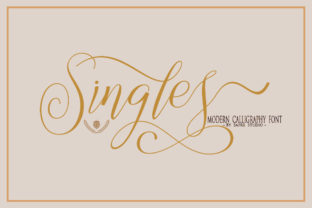
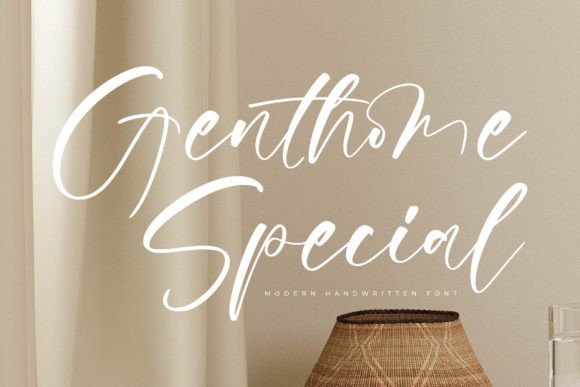
The core appeal of Genthome Special lies in its structural integrity combined with artistic freedom. The font features fluid, sweeping letterforms that mimic the natural motion of calligraphy without sacrificing readability. This duality is what sets it apart from more chaotic script fonts that can appear messy or difficult to parse at smaller sizes. The capital letters are crafted with a graceful flair, while the lowercase connections maintain a rhythm that guides the eye smoothly across a line of text.
What makes Genthome Special distinct is its ability to evoke emotion through form alone. In a market saturated with geometric and minimalist designs, this font offers a human touch. The varying stroke widths create a sense of depth and movement, suggesting that the text was written by hand rather than generated by software. This "hand-crafted" illusion is crucial for brands aiming to project authenticity alongside luxury. Whether used for a wedding invitation suite, a boutique hotel brochure, or a high-fashion editorial, the font adds a layer of refinement that elevates the overall perception of the material.
The Role of Aesthetic in User Perception
Designers often debate whether a script font should be treated as a display element or a functional one. With Genthome Special, the answer leans heavily toward the former, yet it retains enough clarity to serve as a powerful accent. The captivating aesthetic of the font works best when given ample white space. When crowded with other elements, the intricate details of the sweeping strokes can become lost, diminishing the intended effect of sophistication.
This characteristic dictates how the font must be handled in layout design. It thrives in scenarios where the viewer is expected to pause and appreciate the visual details. Consequently, it is less suitable for body text in long-form articles or technical manuals where speed of reading is paramount. Instead, it excels in headlines, pull quotes, and logos where the goal is to arrest attention and establish a mood of exclusivity.
Comparative Analysis: Script Fonts and Design Categories
To make an informed decision about using Genthome Special, it is helpful to compare it against other categories of typography. The world of typefaces is generally divided into serif, sans-serif, monospace, and script families. While serif and sans-serif fonts dominate the digital landscape due to their versatility and screen optimization, script fonts like Genthome Special serve a different strategic purpose.
Versus Standard Serifs: Traditional serif fonts, such as Times New Roman or Garamond, communicate authority, tradition, and stability. They are excellent for news outlets, law firms, and academic institutions. In contrast, Genthome Special communicates personality, creativity, and emotional connection. If a brand needs to sound established and serious, a standard serif is the safer bet. If the brand aims to feel exclusive, romantic, or artisanal, Genthome Special becomes the superior choice.
Versus Modern Geometric Sans-Serifs: The current trend in tech and startup branding favors clean, geometric sans-serifs. These fonts suggest innovation, efficiency, and approachability. They are the antithesis of the ornate nature of Genthome Special. Choosing between these two styles depends entirely on the desired brand narrative. A fintech app would likely clash if paired with the glamour of Genthome Special, whereas a luxury jewelry brand would find the sans-serif too cold and impersonal.
Versus Other Script Options: Within the script category itself, there is a vast range of complexity. Some scripts are highly decorative, resembling actual handwriting with flourishes that can hinder legibility. Others are cursive but simplified for quick reading. Genthome Special sits in a middle ground. It is more stylized than a simple cursive but more disciplined than a wild, brush-style script. This balance makes it versatile for commercial applications where the text still needs to be understood quickly, even if the style is elaborate.
Strategic Fit and Decision Factors
Selecting Genthome Special is a strategic decision that involves weighing specific use cases against potential drawbacks. The following factors should guide the evaluation process for any design project.
- Luxury and Refinement: If the primary goal is to signal high value, quality, and status, this font is highly effective. It aligns well with industries such as fine dining, hospitality, cosmetics, and event planning.
- Brand Personality: Does the brand want to appear friendly and accessible, or exclusive and aspirational? Genthome Special leans toward the latter. It creates a sense of distance that implies scarcity and high cost, which can be a desirable trait for premium products.
- Medium of Delivery: Consider where the design will live. For print materials like business cards, packaging, and invitations, the resolution allows the fine details of the font to shine. On mobile screens, however, small sizes of script fonts can render poorly, leading to pixelation or loss of character definition. In such cases, it may need to be scaled up significantly or paired with a simpler secondary font.
- Readability Requirements: As mentioned, this is not a font for dense paragraphs. It requires a supporting typeface for body copy. A common strategy is to pair Genthome Special with a neutral sans-serif. This combination leverages the emotional impact of the script while maintaining the functional clarity needed for information delivery.
Tradeoffs and Limitations
No design tool is without its tradeoffs. The primary limitation of Genthome Special is its lack of neutrality. Because it carries such a strong stylistic voice, it cannot be used in contexts requiring objectivity. Using this font for a government document, a medical instruction sheet, or a budget report would be inappropriate and could undermine the credibility of the content. The "glamour" it adds can sometimes be perceived as superficial if the underlying message lacks substance.
Another consideration is the audience demographic. While adults aged 20–50 are generally familiar with varied design trends, older demographics might find overly stylized scripts harder to read compared to clear, traditional types. Additionally, in international markets, the specific cultural connotations of "script" and "luxury" vary. What reads as elegant in one culture might appear flowery or dated in another. Therefore, global campaigns require careful localization testing.
Practical Applications and Real-World Examples
To visualize the impact of Genthome Special, consider several practical scenarios. Imagine a wedding website. The headers utilize Genthome Special to set a romantic and formal tone, while the itinerary details are presented in a clean, readable sans-serif. The result is a site that feels personal yet organized.
Consider a perfume bottle label. The brand name is embossed using Genthome Special, immediately communicating that the product inside is expensive and crafted with care. The ingredients list, conversely, remains in a tiny, standard font. Here, the script font acts as the hook, drawing the consumer in with its promise of luxury.
Even in digital marketing, this font finds its place. An email newsletter header for a luxury travel agency might feature Genthome Special to announce a new destination, creating a sense of anticipation and excitement. The visual hierarchy created by the font helps guide the user's eye to the most important information first.
Making the Final Choice
Ultimately, the decision to incorporate Genthome Special into a project comes down to alignment with the core message. It is a powerful tool for those who understand that typography is a form of non-verbal communication. When used correctly, it transforms a flat design into an experience, adding layers of meaning and texture that plain text simply cannot achieve.
However, it should never be used out of habit or because it looks "pretty." The sophistication it offers must be earned by the context. If a project demands clarity above all else, or if the brand identity is rooted in utility and function, other options will serve better. But for projects where the goal is to capture the imagination, evoke emotion, and present a vision of refined beauty, Genthome Special stands out as a compelling and effective choice. By carefully evaluating the tradeoffs and fitting the font into the broader design system, creators can leverage its full potential to elevate their work to a higher standard of excellence.