Integrating Automali into Modern Design Workflows
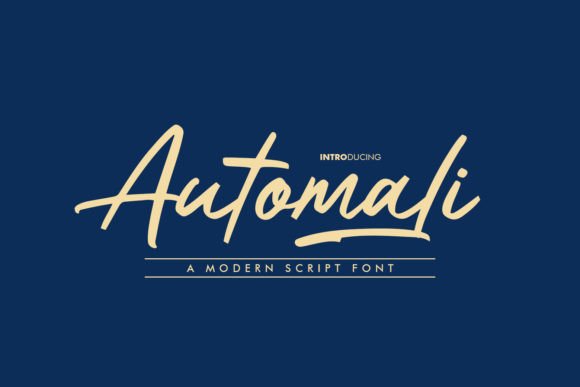
In the landscape of digital and print design, the difference between a competent project and an exceptional one often lies in the subtle choices made during the execution phase. Typography is rarely just about selecting letters; it is about establishing a visual hierarchy, conveying tone, and ensuring that the message resonates with the intended audience. Automali emerges as a distinct solution within this ecosystem, offering a clean, stylish, modern, and elegant script font that bridges the gap between casual handwriting and professional polish. For professionals, creators, entrepreneurs, and educators who manage complex workflows, integrating a high-quality typeface like Automali requires more than just downloading a file; it demands a strategic approach to how the font fits into the broader creative process.
Defining the Role of Automali in Visual Communication
Before diving into implementation, it is essential to understand where Automali sits relative to other design assets. Unlike rigid sans-serif fonts used for body text or highly decorative scripts reserved for specific artistic statements, Automali occupies a versatile middle ground. Its elegance allows it to function effectively in contexts ranging from corporate branding to personal creative projects. This versatility makes it an ideal candidate for integration at various stages of a project lifecycle.
When planning a new brand identity, for instance, designers often struggle to find a script that feels authentic without appearing unprofessional. Automali solves this by providing a structured yet fluid aesthetic. It is perfect for posters, logos, magazines, book covers, and banners. By selecting Automali early in the conceptual phase, teams can establish a consistent visual language that supports the project's core message. The font's ability to be matched to an incredibly large set of projects means it reduces the friction typically associated with finding the right typographic voice, allowing creators to focus on layout and composition rather than searching for suitable alternatives.
Pre-Production Planning and Asset Organization
Efficiency in design starts long before the first stroke is drawn on a canvas. Preparation involves organizing resources, including fonts, to ensure they are accessible and compatible with the tools being used. When adding Automali to your creative ideas, the initial step is proper asset management. Professionals should verify that the font file includes necessary character sets, such as OpenType features for ligatures and alternate glyphs, which are crucial for maintaining quality control in high-stakes environments.
For small business owners and freelancers managing multiple client projects simultaneously, having a library of reliable fonts like Automali streamlines the workflow. Instead of purchasing individual fonts for every new brief, a curated collection ensures consistency across different deliverables. This organization prevents the common pitfall of using mismatched typography, which can dilute a brand's impact. By categorizing Automali under "Script" or "Elegant" tags within a digital asset manager, teams can quickly retrieve it when brainstorming for magazine layouts or book cover designs, significantly reducing the time spent on administrative tasks.
Strategic Implementation Across Project Types
The true value of Automali is realized during the active creation phase. Whether you are a marketer crafting a social media campaign or an educator designing a syllabus, the application of the font must align with the medium and the message. The goal is to use Automali to create lovely designs that stand out without overwhelming the viewer. This balance is achieved through thoughtful placement and pairing.
Logos and Brand Identity: In the context of logo design, Automali offers a level of sophistication that appeals to premium markets. When creating a logo, the font serves as the primary identifier. Its modern elegance suggests reliability and creativity. Designers should consider how the script interacts with accompanying geometric shapes or icons. A well-placed Automali logo can instantly elevate a brand's perceived value, making it a critical component of the final decision-making process regarding brand perception.
Print Media and Publishing: For publishers and bloggers, readability and aesthetics are paramount. Using Automali for headers, pull quotes, or chapter titles in magazines and books adds a layer of personality that standard fonts lack. However, implementation requires careful consideration of line height and spacing. Because script fonts can vary in stroke width, ensuring legibility in smaller sizes is a key factor in quality control. When designing book covers, Automali can act as the focal point, drawing the reader's eye immediately. The font's ability to convey emotion makes it particularly effective for genres like romance, lifestyle, or self-help, where the visual tone must match the content's narrative.
Digital Banners and Marketing Materials: Marketers and advertisers often face tight deadlines and need rapid iteration. Automali fits seamlessly into these fast-paced workflows. Its clean lines render well on both high-resolution screens and printed banners. When launching a promotional campaign, using Automali for headlines can increase click-through rates by providing a visually appealing contrast to standard UI elements. The font's modern feel ensures that marketing materials do not appear dated, keeping the brand relevant in a rapidly changing digital landscape.
Collaboration and Compatibility Considerations
No design tool operates in isolation. Integrating Automali into a team environment requires attention to compatibility and collaboration protocols. If you are working with developers, copywriters, or external agencies, ensuring that everyone has access to the correct font files is vital for maintaining consistency. Cloud-based font services or shared drive folders are effective methods for distributing Automali across a team.
Furthermore, understanding the technical specifications of the font helps avoid issues during the export process. For example, when preparing files for web use, designers must decide whether to convert text to outlines or embed the font via CSS. While converting to outlines guarantees that the design looks exactly as intended on any device, it increases file size and limits editability. Conversely, embedding the font allows for dynamic updates but relies on the user having the license installed. Automali's robust character set usually supports both methods, giving flexibility based on the specific project requirements. This adaptability is a significant advantage for productivity-minded users who need to switch between print and digital deliverables efficiently.
Maintaining Consistency and Long-Term Value
Once a design system is established using Automali, the focus shifts to maintenance and long-term use. Consistency is the hallmark of professional work. Over time, brands may expand their offerings, requiring new collateral that still adheres to the original visual identity. Having a go-to script like Automali simplifies this expansion. It acts as a constant anchor, ensuring that new products, events, or educational materials feel connected to the parent brand.
For hobbyists and individuals pursuing personal goals, such as creating wedding invitations or scrapbooks, Automali provides a way to achieve a polished look without extensive training in graphic design principles. The font's inherent elegance does much of the heavy lifting, allowing users to focus on the content and layout. This accessibility democratizes design, enabling non-professionals to produce high-quality results that rival those created by seasoned experts.
Optimizing the Creative Process
To get the most out of Automali, users should adopt a mindset of experimentation within constraints. Start by testing the font against various background colors and textures to see how it performs in different lighting conditions or screen settings. Observe how it pairs with serif and sans-serif fonts to determine the best combinations for specific tones. This iterative process is part of the learning activity that leads to mastery.
It is also important to respect the licensing terms associated with the font. Whether for commercial use or personal projects, understanding the legal framework ensures that the creative output remains compliant and sustainable. This aspect of responsible usage is often overlooked but is critical for entrepreneurs and businesses looking to avoid potential legal complications down the road.
Ultimately, the decision to use Automali is a strategic one that enhances the overall quality of the design output. By integrating this clean, stylish, and modern script into the workflow, creators can notice how their projects stand out. It transforms ordinary designs into memorable experiences, proving that the right typeface is not merely an aesthetic choice but a functional tool that drives success. As you move forward with your next venture, consider how Automali can fit into your plan, execute your vision, and deliver results that exceed expectations.