Integrating Queensy into Professional Design Workflows
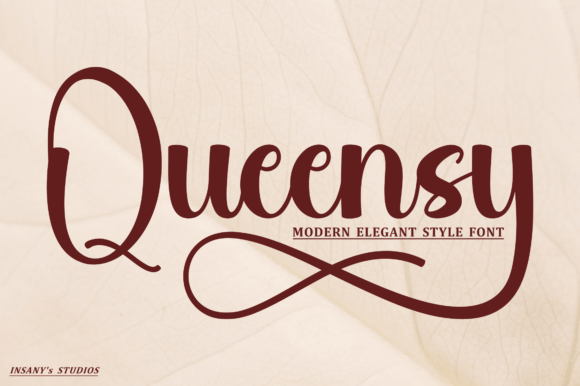
In the fast-paced environment of modern creative production, selecting the right typography is rarely a standalone decision. It is a critical component of a broader strategic process that influences brand perception, user engagement, and overall project quality. Queensy stands out not merely as a decorative element, but as a functional asset within a sophisticated design system. This stylish script font embodies sophistication and grace, utilizing fluid, sweeping letterforms to exude a timeless elegance. For professionals ranging from marketing managers to freelance publishers, understanding how to integrate this typeface effectively requires moving beyond aesthetic appreciation into practical implementation.
The true value of Queensy lies in its ability to elevate designs with a captivating aesthetic while maintaining legibility and structural integrity. When incorporated correctly, it adds a touch of glamour to any project without overwhelming the core message. However, successful integration depends on knowing where this font fits in your workflow, how it interacts with other visual assets, and the specific stages of a project where it delivers the highest return on investment.
Strategic Placement in the Creative Process
Typography decisions should be made early in the planning phase, yet they often require refinement during execution. Queensy is particularly effective when used to establish tone before the bulk of content creation begins. In the preparation stage of a new campaign or product launch, designers can utilize this font to create mood boards and initial concepts. Its fluid nature helps visualize the emotional trajectory of a project, signaling to stakeholders that the final output will prioritize luxury and refinement.
During the active development phase, the font serves as a powerful differentiator. Unlike rigid sans-serif fonts that dominate headlines in corporate settings, Queensy introduces a human element. It works best when paired with clean, minimal body copy that allows the script's sweeping letterforms to breathe. This contrast ensures that the design remains accessible while delivering high-end visual appeal. The key is to treat the font as a lead character rather than background noise.
- Pre-production: Use Queensy for concept sketches and style guides to define the brand voice.
- Production: Apply the font to primary headlines, hero sections, and key call-to-action elements.
- Post-production: Leverage the font for closing credits, certificates, or exclusive edition branding.
Interaction with Existing Brand Assets
A common challenge in professional workflows is ensuring new typographic choices align with existing brand guidelines. Queensy offers versatility that bridges the gap between traditional serif structures and modern display needs. When integrating this font into an established ecosystem, it is essential to consider compatibility with current logo marks and iconography. If a brand relies heavily on geometric shapes, the organic curves of Queensy can provide necessary balance, softening the overall visual identity.
For marketers and entrepreneurs managing multiple channels, consistency is paramount. The font's elegant aesthetic must translate seamlessly across various platforms, from high-resolution print materials to digital interfaces. While Queensy excels in large formats, careful attention must be paid to its rendering at smaller sizes. In digital environments, the fluid strokes may lose definition if the resolution is low or the line height is too tight. Therefore, testing the font across different devices and screen densities is a crucial step in the quality control phase of any project.
Practical Implementation Strategies
To maximize the impact of Queensy, creators should adopt a methodical approach to its usage. The goal is to enhance the user experience rather than distract from it. One effective strategy involves using the font sparingly to highlight specific information. By reserving Queensy for titles, pull quotes, or section headers, designers can guide the reader's eye through the content hierarchy. This technique maintains efficiency and ensures that the message is conveyed clearly.
When working with clients or collaborators, communication about the font's role is vital. Explain that Queensy is chosen to convey luxury and refinement, setting expectations for the final look and feel. This transparency helps prevent revisions later in the process. Furthermore, providing samples of the font in context—such as on a mock-up business card or a website header—allows stakeholders to visualize the outcome before final approval.
- Define the Scope: Determine exactly where the script font will appear. Limit its use to 10-20% of the total text volume to maintain impact.
- Select Complementary Fonts: Pair Queensy with neutral, highly readable typefaces like Helvetica, Roboto, or a classic Garamond to ensure readability.
- Adjust Kerning and Leading: Script fonts require precise spacing adjustments. Tighten kerning slightly to connect the letters naturally, but increase leading to prevent crowding.
- Test Accessibility: Ensure sufficient color contrast between the text and the background to meet accessibility standards.
Optimizing for Different Mediums
The application of Queensy varies significantly depending on the medium. In print design, the high fidelity of the physical page allows the intricate details of the sweeping letterforms to shine. This makes it ideal for invitations, packaging, and editorial layouts where tactile quality matters. The texture of the paper can further enhance the glamorous feel that the font provides.
Conversely, digital applications demand a more cautious approach. On mobile screens, space is limited, and users scan content quickly. Using Queensy for long paragraphs is generally ill-advised due to potential legibility issues. Instead, reserve it for short, impactful phrases. Additionally, web performance considerations come into play. Loading custom script fonts can affect page load times if not optimized properly. Utilizing font subsetting or converting the font to variable formats can help maintain speed without sacrificing the aesthetic benefits of Queensy.
Long-Term Value and Consistency
Sustainability is a key factor in professional design choices. A font like Queensy offers long-term value because its timeless elegance transcends fleeting trends. While many decorative fonts fall out of favor after a season, the sophistication embodied by Queensy ensures it remains relevant for years. This longevity supports efficient resource management, reducing the need for frequent rebranding or asset replacement.
Organizing your typography library is another aspect of maintaining consistency. Create dedicated folders for Queensy and its variations (bold, italic, etc.) to streamline the selection process. Include documentation on recommended pairings and usage rules within your team's shared resources. This organizational step prevents misuse and ensures that every member of the team adheres to the same standards of quality and refinement.
For educators and bloggers, Queensy can serve as a tool for personal branding. By consistently applying this font to their own headers and logos, they build a recognizable visual identity that signals authority and style. Over time, this consistency builds trust with the audience, reinforcing the message of professionalism and care in their work.
Navigating Technical Constraints
Even the most beautiful typeface faces technical hurdles. When implementing Queensy in complex software environments, such as Adobe InDesign, Figma, or WordPress, compatibility issues can arise. Always verify that the font files are fully supported by the software version being used. Some older versions of design tools may struggle with advanced OpenType features, which could limit the ability to access alternate characters or ligatures that enhance the script's flow.
Furthermore, consider the licensing implications when distributing projects. Ensure that the license agreement for Queensy covers the intended scope of use, whether it is for commercial client work, internal presentations, or public distribution. Adhering to legal requirements protects both the designer and the client, maintaining the integrity of the professional relationship.
Conclusion: Elevating Quality Through Intentional Design
The integration of Queensy into a design workflow is a strategic decision that goes beyond simple decoration. It is about harnessing the power of typography to communicate values of luxury, grace, and refinement. By carefully planning its placement, pairing it with complementary assets, and respecting technical constraints, professionals can unlock the full potential of this captivating aesthetic.
Whether you are launching a new product, refining a brand identity, or creating educational content, Queensy offers a versatile solution that adapts to diverse needs. Its fluid letterforms invite the viewer in, creating an emotional connection that standard fonts often fail to achieve. As you move forward with your next project, consider how this stylish script font can transform your visual narrative, turning ordinary designs into extraordinary experiences.
Ultimately, the success of Queensy in your workflow depends on intentionality. Treat it as a partner in your creative process, one that demands respect and precision. With thoughtful implementation, it will become an indispensable tool in your arsenal, consistently delivering results that are both beautiful and effective.